
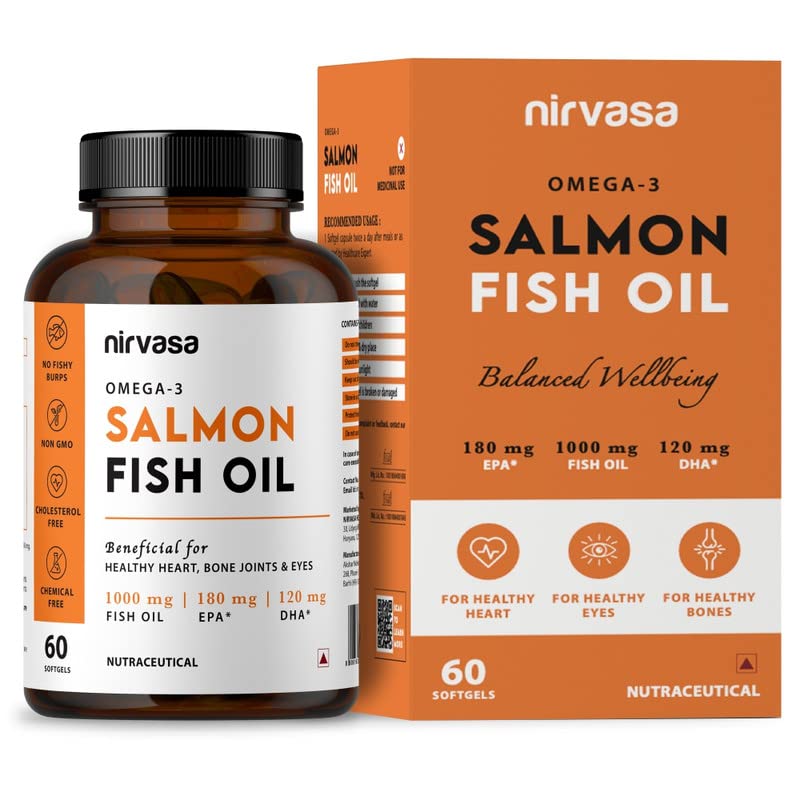
These Omega-3 capsules use salmon oil—a natural source of EPA (Eicosapentaenoic Acid) and DHA (Docosahexaenoic Acid). If your diet is light on fatty fish, softgels can be a practical way to get research-backed Omega-3s that may support heart, brain, eye, skin, and joint health.*
Below, we break down design, daily use, and who should consider salmon-oil capsules—plus some smart alternatives.
Quick Overview: Pros & Cons
✅ What We Love
- Direct EPA & DHA source—no conversion step like ALA
- Convenient softgels; easy to add to a routine
- Potential benefits for heart, brain, and joints*
- Often tested for heavy metals and purity (brand-dependent)
- Cost-effective vs. eating salmon several times a week
❌ What Could Be Better
- Not suitable for vegetarians/vegans
- Some users get "fishy burps" without enteric coating
- Large capsules may be hard to swallow
- Check with a doctor if on anticoagulants or before surgery
- Label quality and EPA/DHA per serving vary across brands
Detailed Review
What You're Getting
Salmon oil naturally contains the long-chain Omega-3s EPA and DHA, which are the forms most studies focus on. Many plant sources provide ALA, which your body converts to EPA/DHA at a limited rate—so getting these directly can be more efficient.
Capsule Design & Taste
Most fish-oil softgels are smooth and easy to handle, though they can be large. If taste is a concern, look for enteric-coated capsules or take them with meals to reduce aftertaste. Storing the bottle in a cool, dark place helps maintain freshness.
How to Use
Follow the label's serving size. Many people take softgels with a main meal (fat helps absorption). Consistency matters—Omega-3 status builds over weeks. If you have specific health goals, discuss the ideal EPA/DHA intake with a healthcare professional.
Who Will Benefit Most?
If you rarely eat fish, have joint stiffness after training, or want general wellness support, fish-oil capsules are a practical add-on. Vegans/vegetarians should consider algal oil (DHA/EPA) instead of fish-derived products.
Quality & Sourcing
With fish oil, quality varies. Prioritize brands that disclose third-party testing (purity, potency, heavy metals), provide clear EPA/DHA per serving, and use clean formulas (minimal additives).
Alternatives to Consider
Prefer plant-based, higher potency, or different formats? Try these:
Vegan Algal Oil (DHA/EPA)
₹1,299–₹2,499
Sustainable, fish-free source of DHA (often with EPA). Great for vegetarians/vegans who still want long-chain Omega-3s.
Check Options on AmazonTriple-Strength Fish Oil
₹1,599–₹2,999
Higher EPA/DHA per softgel so you can take fewer capsules to reach your target intake.
Check Options on AmazonFinal Verdict
Salmon-oil Omega-3 capsules are a simple way to raise EPA/DHA intake for people who don't eat fish regularly. They're convenient, widely available, and can be cost-effective compared to dietary sources. Mind the usual caveats: buy quality, take with meals, and check interactions if you're on medication.
If you want an easy daily Omega-3 routine, these softgels are a solid pick. Plant-based? Go algal oil instead.
Ready to Add Omega-3s to Your Routine?
Check the latest price on Amazon using our affiliate link below.
Check Price on Amazon*This product is a dietary supplement. Not intended to diagnose, treat, cure, or prevent any disease. Consult your healthcare professional before use, especially if pregnant, nursing, taking medication, or undergoing surgery.